Architecting
a Scalable Vendor-Branded Platform for a Multi-Vendor Marketplace
Gigrove came to us for multi-vendor marketplace development on WooCommerce, since its standard shared setup couldn’t give vendors the independent, domain-branded storefronts they needed. StageBit built a custom multi-tenant architecture on top of WordPress, WooCommerce and WCFM Marketplace, giving each vendor their own domain, isolated customer data and a checkout flow that never leaves their branded storefront.
We help marketplace platforms unlock vendor independence with custom
multi-tenant architectures, deep plugin integrations and enterprise-ready performance.
Key platform screens showcasing vendor-branded storefronts, multi-domain
routing, customer portal experiences and the scalable architecture that
powers Gigrove’s independent vendor ecosystem.
Marketplace Foundation
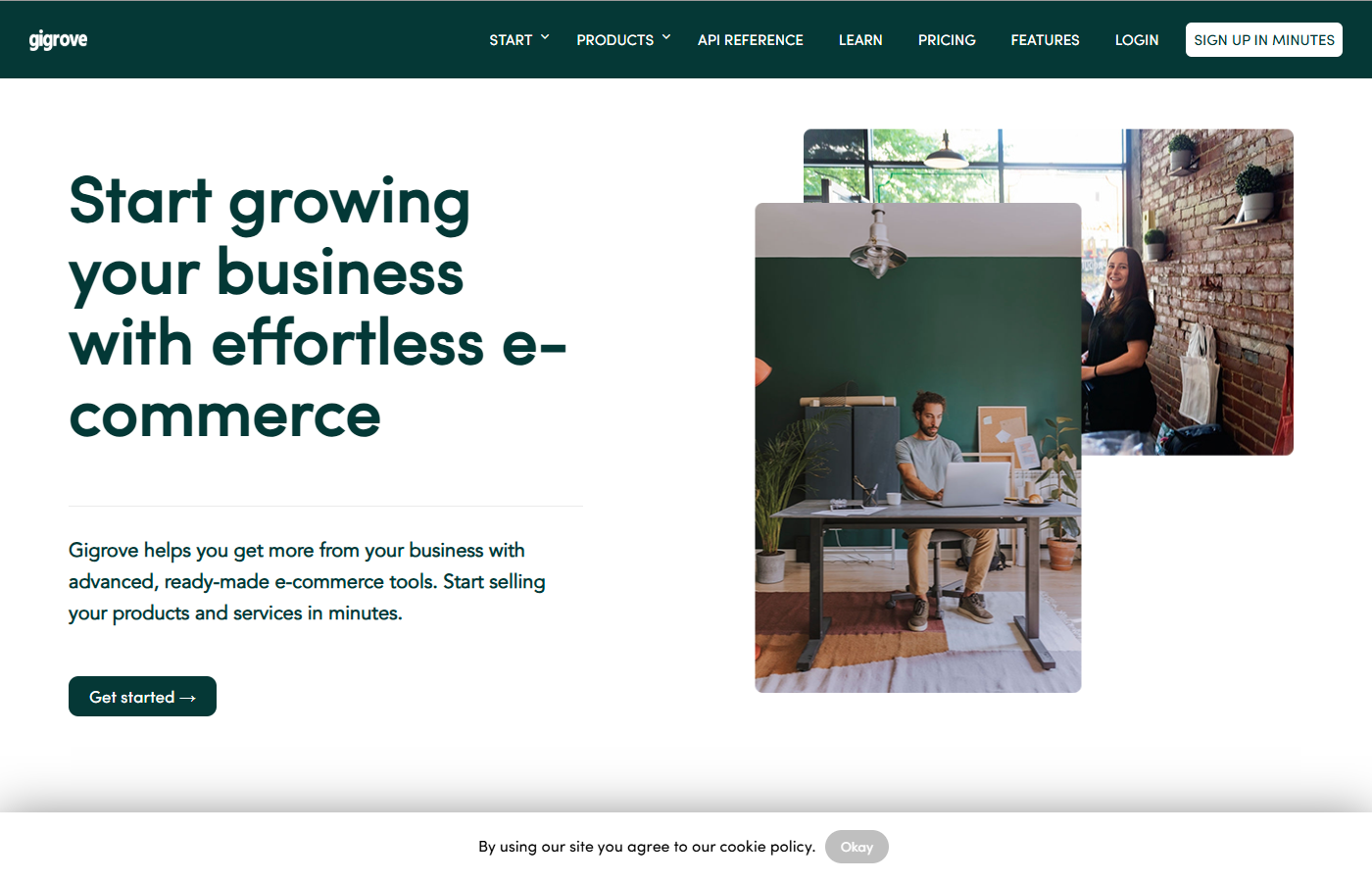
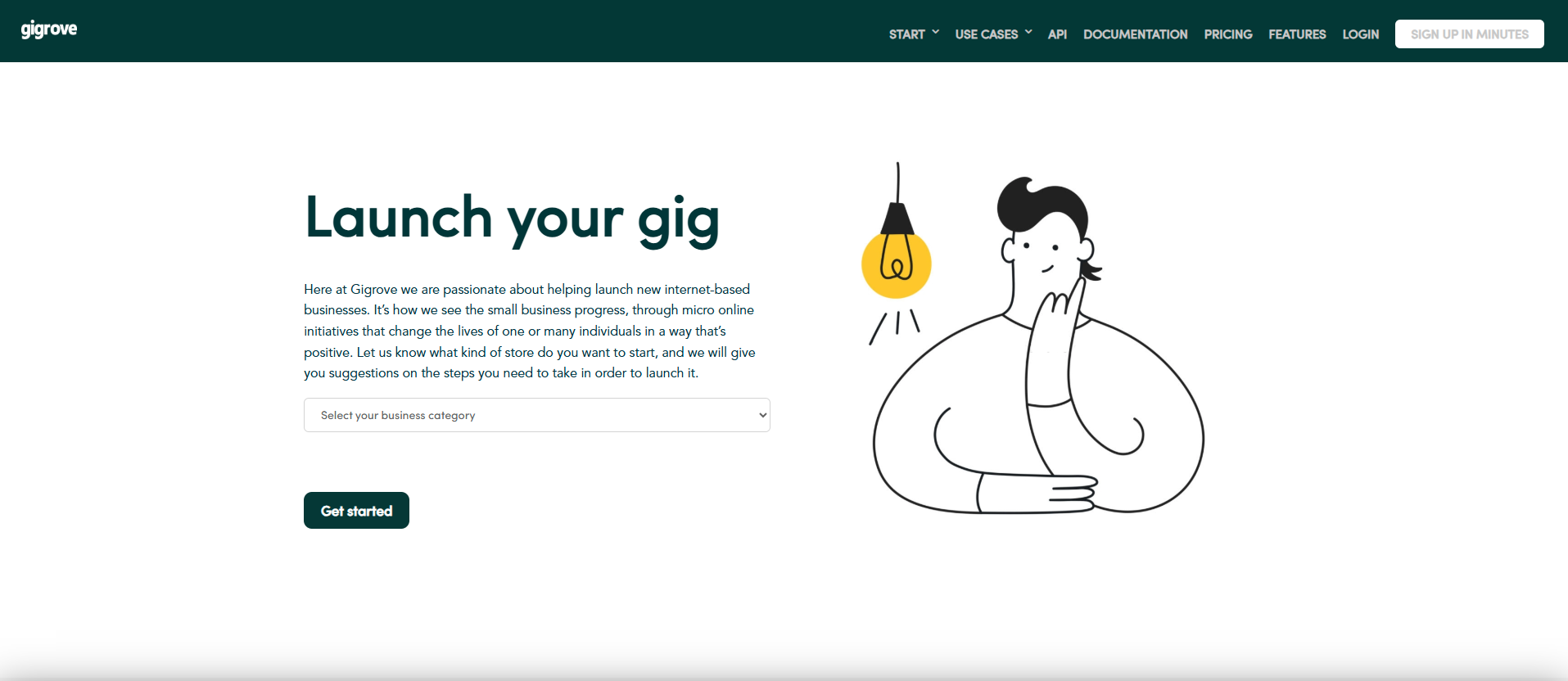
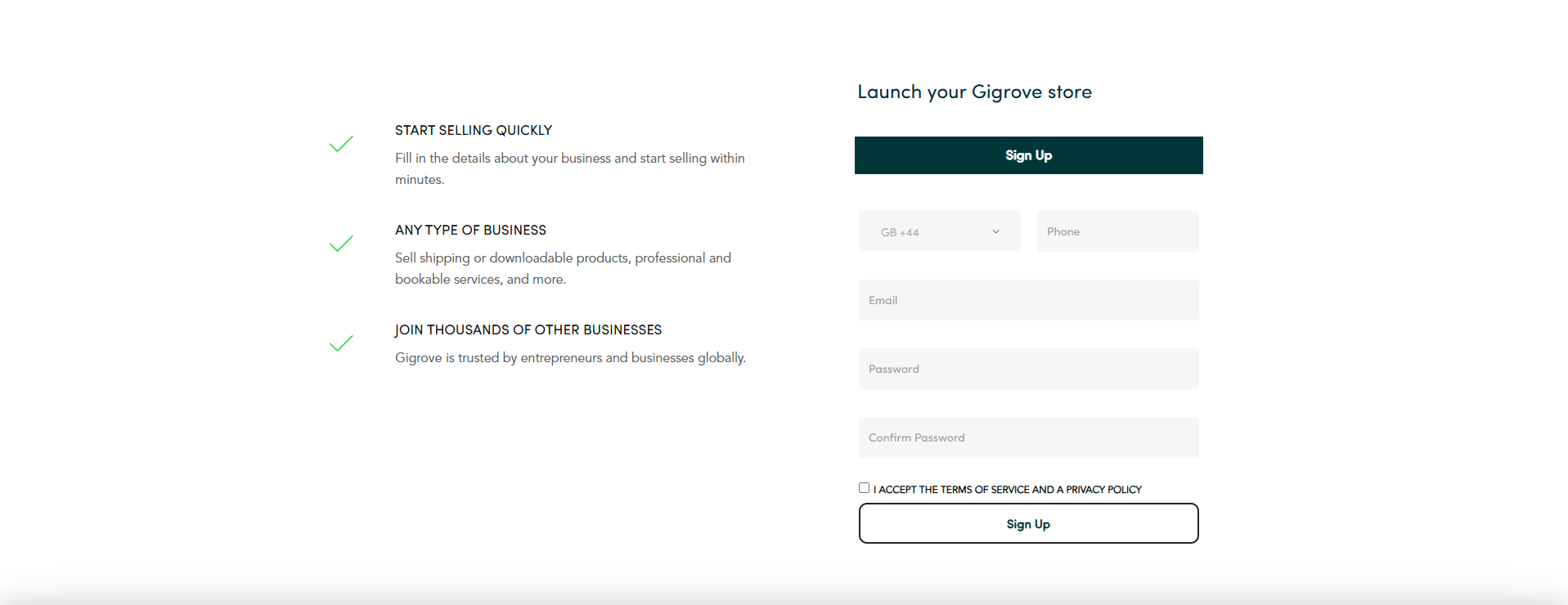
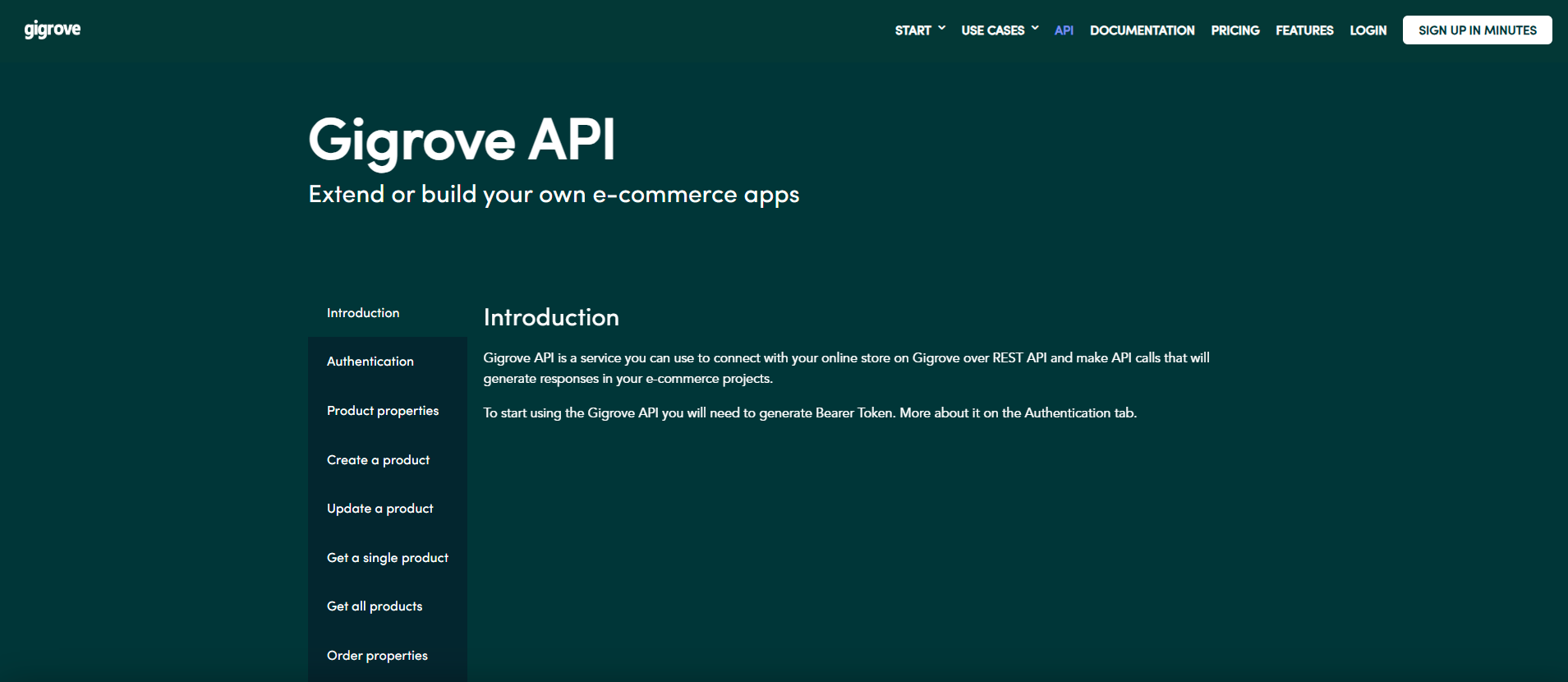
Marketplace homepage — unified platform with vendor independence
Gigrove’s marketplace foundation provides a centralized experience
while enabling vendors to operate as independent brands through
custom domain architecture and storefront autonomy.
Each vendor operates under their own domain with a fully branded
storefront experience, creating a stronger identity and customer
relationship independent from the main marketplace.
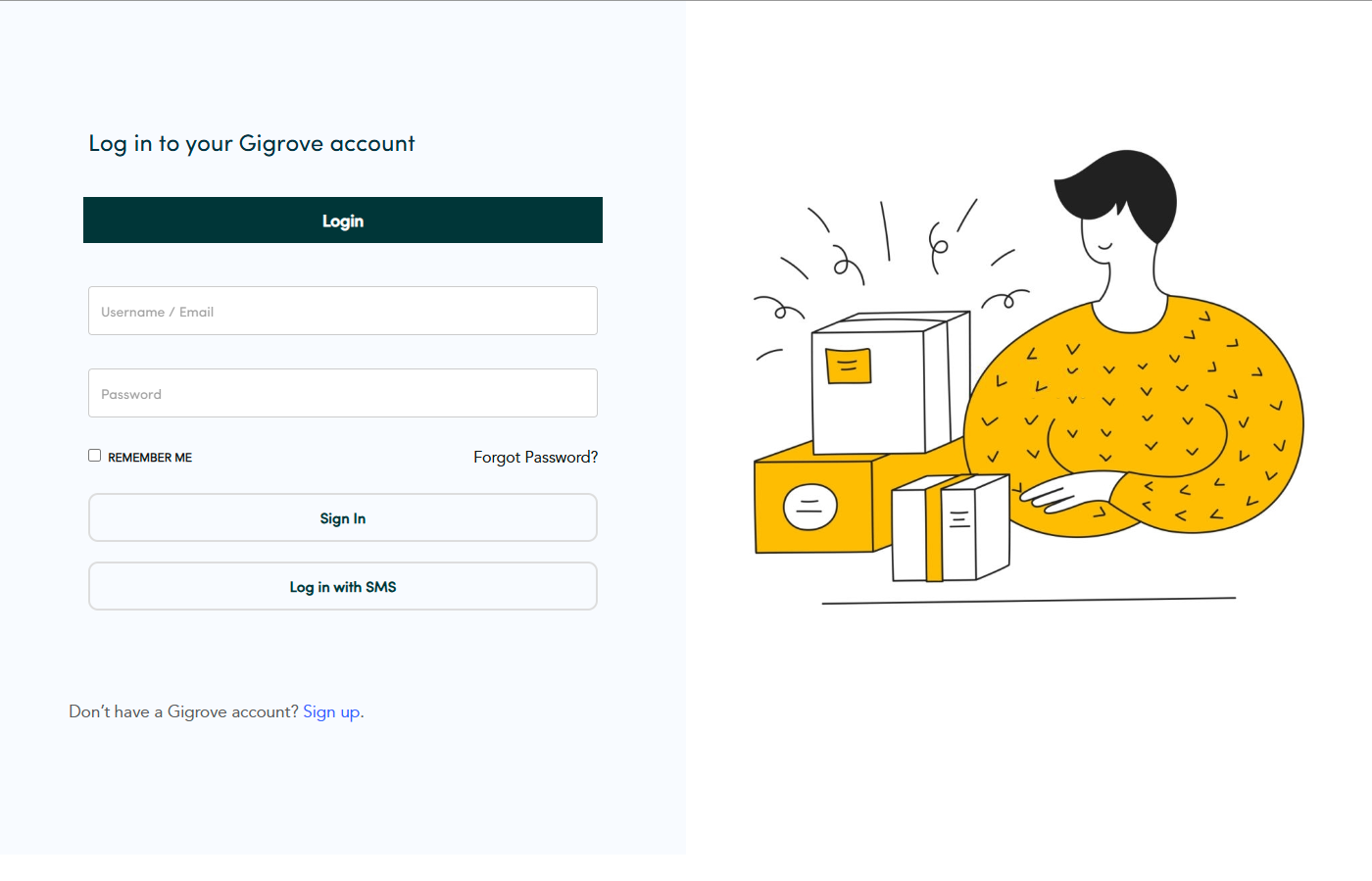
Orders, subscriptions and account information are filtered to the
active vendor store, ensuring data privacy and a focused customer
experience.
Multi-Domain Engine
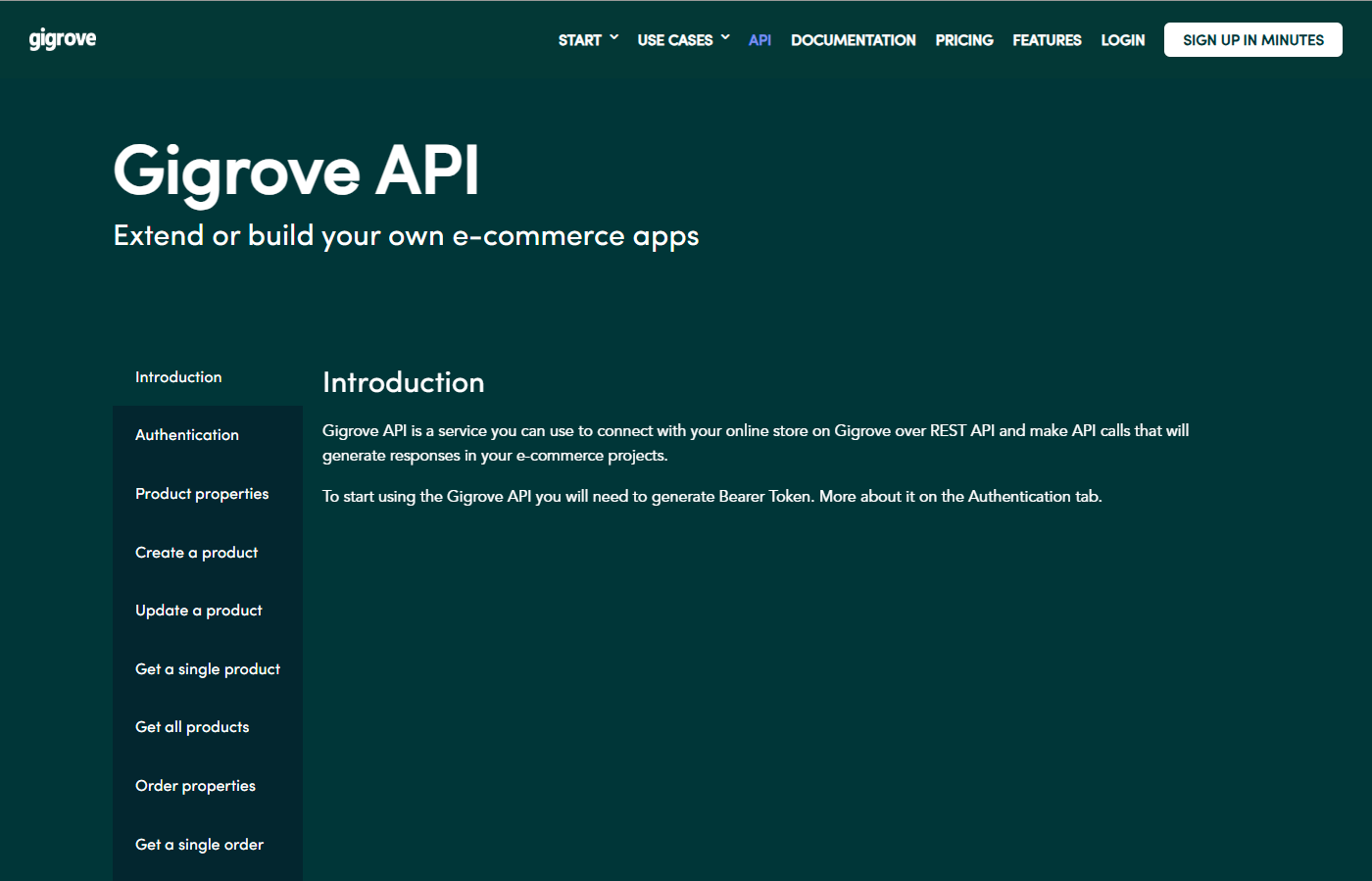
Domain routing — seamless vendor-branded journeys
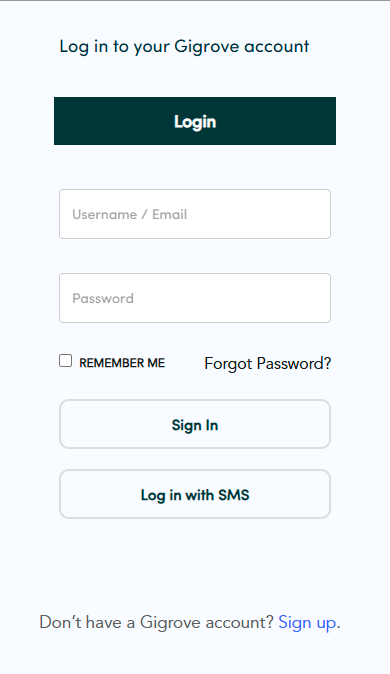
Custom routing and session management ensure customers remain on the
correct vendor domain throughout login, cart, checkout and
post-purchase workflows.
Client Overview
Who is Gigrove?
Gigrove is an ambitious multi-vendor marketplace platform built on WordPress, WooCommerce and WCFM Marketplace, one of the handful of serious multi-vendor plugins in the WooCommerce ecosystem alongside Dokan and WC Vendors. It empowers individual vendors from coaches and consultants to product sellers to launch and manage their own branded online storefronts under a single, unified platform.
Operating as a SaaS-style marketplace, Gigrove’s success depends on providing each vendor with a seamless, independent commercial experience, including custom domains, isolated customer data and dedicated storefront management tools.
Product Scope: Digital & Physical Goods, Services, Subscriptions
A note on figuresGigrove’s usage and revenue numbers are confidential. What’s shown on this page is the technical work delivered, not business performance data.
What Gigrove asked for
“Our vendors need to run their stores as independent brands under their own domains. We need a solution where customer accounts, carts and data are seamlessly tied to each vendor’s storefront, creating a branded, independent experience without rebuilding the entire platform.”
The Challenge
A Monolithic Marketplace Constraining Vendor Growth
The existing platform operated as a single, shared store. While WCFM marketplace managed vendor dashboards, critical customer-facing elements like the WooCommerce ‘My Account’ page, cart and checkout remained global. This created a fragmented experience that undermined vendor independence and platform scalability.
No vendor branding: customers saw the main marketplace domain, not the vendor’s custom URL, throughout their journey.
Cross-store data leakage: a customer logging into one vendor’s portal could see orders and data from all other vendors.
Broken multi-domain flows: sessions, logins and redirects (like password reset) failed when moving between custom domains and the main site.
Manual, unsustainable operations: mapping new vendor products and pages to custom domains required error-prone manual configuration.
No onboarding path: the platform had no way to bring on new vendors automatically, so growth meant more manual work, not less.
Gigrove required a deep architectural integration of three complex systems (WooCommerce, WCFM marketplace and a Multi-Domain plugin) to create a cohesive, vendor-branded platform. The solution needed to be production-ready, transaction-stable and fully manageable by their operations team.
Goals & success criteria
Defining Success for a Vendor-Branded Multi-Vendor Platform
Before architecting the solution, we aligned with Gigrove on the core business outcomes. The transformed platform needed to deliver true vendor independence, flawless customer journeys and operational scalability, all built on a stable, integrated foundation.
Complete Vendor Brand Independence
Non-negotiable
Each vendor’s storefront must operate as a fully branded, independent entity under its own custom domain, from product discovery to post-purchase support.
• Enable vendors to create store-specific categories without naming conflicts.
• Serve all store pages (cart, checkout, account) under the vendor’s custom domain.
Absolute Customer Data Isolation
Non-negotiable
A customer’s experience and data must be scoped exclusively to the vendor store they are interacting with, ensuring privacy and a relevant dashboard.
• Filter orders, subscriptions and downloads per vendor store.
• Display data only if the customer has transacted with that specific vendor.
Seamless Cross-Domain User Experience
Target metric
The entire customer journey login, session, password reset, navigation must persist flawlessly across custom domains without redirecting to the main platform.
• Maintain secure user sessions on custom domains.
• Ensure all authentication flows honor the correct domain context.
Transactional Integrity & Platform Stability
Target metric
The platform must be production-ready and transaction-stable, with no random cart failures, checkout loops, or broken flows that erode customer trust.
• Eliminate random empty cart and checkout redirect issues.
• Guarantee reliable add-to-cart and booking functionality across all custom domains.
Automated & Scalable Vendor Onboarding
Experience goal
New vendor store setup must be automated and programmatic, removing manual configuration and enabling platform growth without technical debt.
• Automatically map new vendor products and pages to their custom domain.
• Provide admin controls to manage domain mapping at scale.
Unified, Maintainable Platform Architecture
Experience goal
The integration of WooCommerce, WCFM marketplace and Multi-Domain Mapping must result in a cohesive, well-structured codebase that is secure, performant and easy to extend.
• Create a clean abstraction layer for multi-domain logic.
• Ensure the solution is sustainable for long-term support and feature development.
Stagebit’s Strategic Approach
Architecting for Autonomy: A Multi-Layered Platform Strategy
Our solution was not a series of patches. Instead, it was a cohesive multi-tenant architecture strategy. We built custom layers atop the core WordPress stack to manage domains, data and sessions, transforming a shared marketplace into a federation of independent storefronts.
We engineered a dynamic URL management system that intelligently rewrites all WooCommerce endpoints (cart, checkout, my-account) to the visitor’s current custom domain, creating a seamless vendor-branded journey.
We built a sophisticated query filtering system that dynamically scopes a customer’s WooCommerce data orders, subscriptions, downloads to only the vendor store they are currently logged into, ensuring complete data privacy.
We extended the Multi-Domain Mapping plugin with a programmatic engine that automatically maps new vendor products, pages and key endpoints (cart, checkout, thank-you) to their custom domain upon publication, eliminating manual setup.
Auto domain assignment
Zero manual setup
Scalable onboarding
Performance & Reliability
Production-Ready Stability Enhancements
We conducted deep diagnostics to resolve systemic edge cases inherent to multi-domain setups, fixing cart session integrity, checkout redirect loops and authentication flows to ensure a transaction-ready platform.
A Cohesive Vendor-Branded Ecosystem for Multi-Vendor Commerce
We delivered a fully integrated platform where each vendor operates as
an independent brand.
The solution seamlessly blends custom domain management, isolated
customer experiences and automated operations into a single, scalable
ecosystem.
Specific engagement dates are confidential. The architecture work below reflects the full scope delivered from initial audit through post-launch stability fixes.
1
Core
System 1
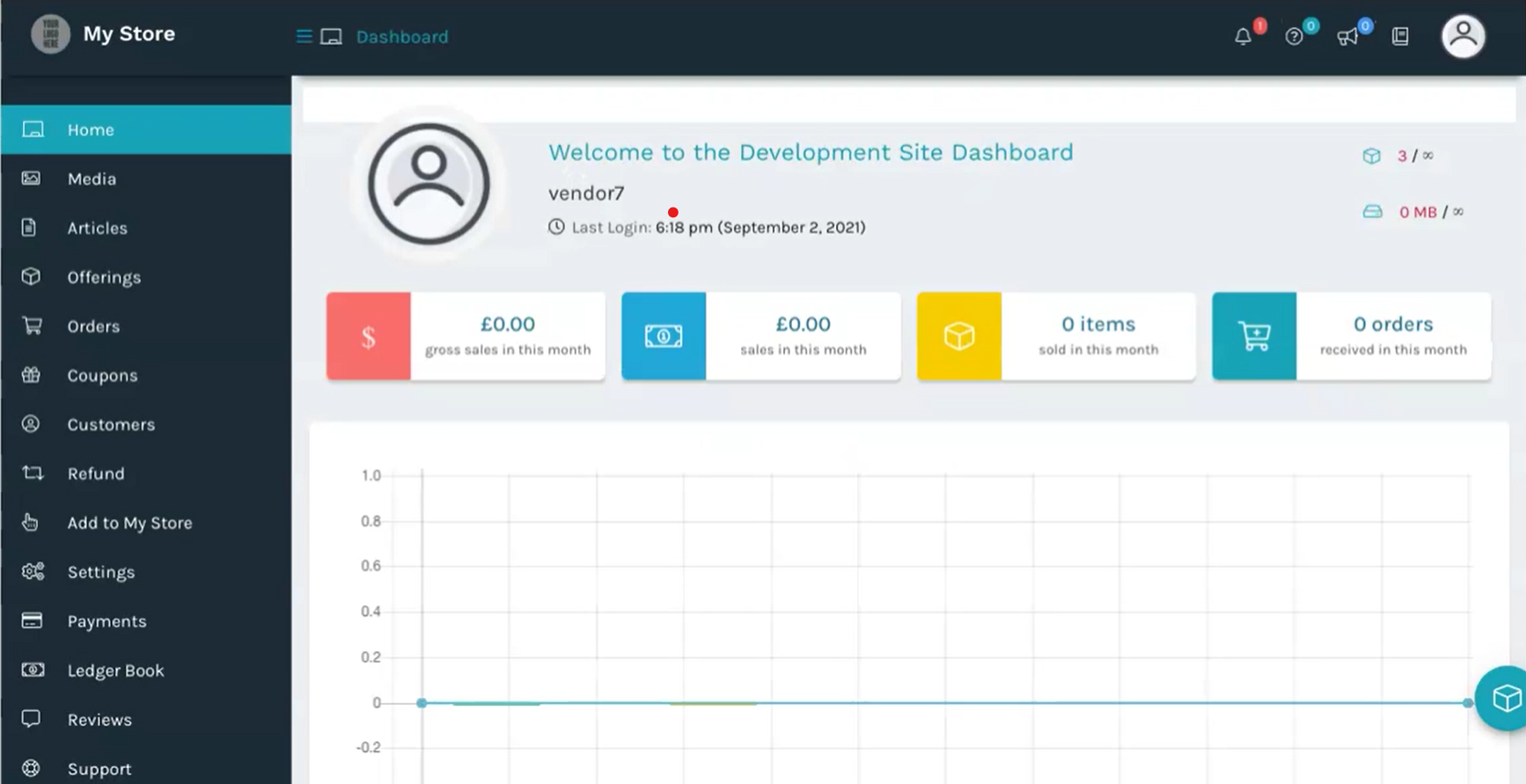
Vendor-Branded Customer Portal
A fully branded ‘My Account’ dashboard embedded within each
vendor’s WCFM marketplace storefront. Customers log in, manage orders and
view data specific only to that vendor, all under the vendor’s
custom domain.
2
Core
System 2
Dynamic Multi-Domain Router
Intelligent middleware that intercepts and rewrites all
WooCommerce URLs (cart, checkout, account pages) to match the
visitor’s current custom domain, ensuring a consistent branded
journey from discovery to purchase.
3
Core
System 3
Automated Domain Mapping Engine
An extension to the Multi-Domain plugin that programmatically
maps new vendor products, pages and core endpoints to their
custom domain upon publication, turning a multi-day setup into
an instantaneous process.
4
Core
System 4
Vendor-Scoped Data Filter
A robust filtering layer applied to all WooCommerce customer
data queries. It dynamically displays only the orders,
subscriptions and downloads relevant to the vendor store the
customer is currently accessing.
1
Core
System 1
Vendor-Branded Customer Portal
A fully branded ‘My Account’ dashboard embedded within each
vendor’s WCFM marketplace storefront. Customers log in, manage orders and
view data specific only to that vendor, all under the vendor’s
custom domain.
2
Core
System 2
Dynamic Multi-Domain Router
Intelligent middleware that intercepts and rewrites all
WooCommerce URLs (cart, checkout, account pages) to match the
visitor’s current custom domain, ensuring a consistent branded
journey from discovery to purchase.
3
Core
System 3
Automated Domain Mapping Engine
An extension to the Multi-Domain plugin that programmatically
maps new vendor products, pages and core endpoints to their
custom domain upon publication, turning a multi-day setup into
an instantaneous process.
4
Core
System 4
Vendor-Scoped Data Filter
A robust filtering layer applied to all WooCommerce customer
data queries. It dynamically displays only the orders,
subscriptions and downloads relevant to the vendor store the
customer is currently accessing.
System-level capabilities supporting the ecosystem
Seamless Authentication & Session
Management
01
User logins, password resets and sessions are seamlessly handled
across custom domains.
Customers remain on the vendor’s brand throughout the entire
authentication journey.
Domain-specific
login and logout redirects
Secure
password reset flows that preserve domain context
Persistent
cart and session data across vendor domains
Intelligent Conditional UI Logic
02
The platform intelligently adapts the user interface based on domain
and user context, enhancing clarity and navigation for both customers
and vendors.
“Back to
Storefront” links shown only on custom domains
Vendor
dashboard redirects for ‘wcfm_vendor’ role logins
Conditional
messages based on vendor-specific order history
Platform-Wide Stability & Edge-Case
Resolution
03
Comprehensive fixes for systemic issues that threatened transactional
integrity, ensuring a reliable shopping experience across all vendor
stores.
Eliminated
random empty cart and checkout loop errors
Fixed
cross-domain booking and subscription management links
Implemented
front-end safeguards to prevent navigation during page load
Centralized Management & Control
04
Admin tools and logical controls were built into the platform, giving
Gigrove’s team command over the multi-domain ecosystem.
Master
on/off switch for automated domain mapping per vendor
Ability to
define and exclude specific domains from UI elements
Sustainable,
child-theme-based architecture for safe updates
Platform & Integrations
The Integrated WordPress Stack Powering a Vendor-Branded Marketplace
Our solution for Gigrove involved deep, strategic integration of core WordPress plugins and custom-built components. Each layer was extended and customized to work in harmony, transforming a standard multi-vendor setup into a scalable, domain-independent platform.
Core Commerce
Extended WooCommerce Platform
WooCommerce was deeply customized to support vendor-scoped data, multi-domain sessions and a vendor-branded customer portal integrated directly into vendor storefronts.
• Custom filters for orders, subscriptions, downloads per vendor.
• Overridden account, cart and checkout endpoints for domain-aware URLs.
• Integration with WooCommerce Bookings & Subscriptions plugins.
Multi-Vendor Foundation
WCFM Marketplace Customization
The WCFM marketplace front-end was extended to host the vendor-branded customer portal (/portal) and vendor management workflows were integrated with the multi-domain system.
• Custom vendor dashboard tab for the customer portal.
• Modified logic for vendor category creation and management.
• Role-based redirects (vendor vs. customer) on login.
Domain Architecture
Custom Multi-Domain Mapping Engine
We built upon the “Multiple Domain Mapping on a Single Site” plugin with a custom automation layer for programmatic URL management and vendor onboarding.
• Automated mapping of new products/pages to vendor domains.
• Admin-controlled toggle switches for domain mapping per vendor.
• Dynamic URL rewriting for all core WooCommerce endpoints.
Development & Maintenance
Sustainable Custom-Built Layer
All customizations were developed within a dedicated child theme and via careful plugin hooks, ensuring stability, security and ease of future updates.
• Centralized custom code in a Notio child theme.
• Strategic use of actions, filters and overrides.
• Front-end JS for enhanced UX (conditional buttons, load management).
None of these plugins do this out of the box. WCFM Marketplace handles vendor dashboards well. However, it was never built to know that a customer is currently browsing on a vendor’s custom domain rather than the main marketplace. Getting that right meant writing the layer that sits between them.
If your marketplace runs on WooCommerce and needs this kind of custom architecture, our WooCommerce development services page covers how we approach builds like this one.
Impact & Results
Transforming Platform Capabilities and Operational Efficiency
The strategic integration delivered a fundamentally different platform: one that enables vendor independence, guarantees data integrity and operates with production-ready stability, transforming Gigrove’s market proposition and internal operations.
Gigrove’s usage and revenue figures are confidential. The comparison below reflects the specific technical and operational changes we delivered.
Shared branding, category naming conflicts, no custom domain journey
Vendors operate under their own domains
Each vendor gets its own custom domain, its own category structure and a storefront that no longer routes through the main marketplace URL.
Customer Data & Privacy
Order history, account dashboard, data relevance
Global customer dashboard
Customers saw orders from all vendors, regardless of where they logged in, causing confusion.
Orders and account data scoped to a single vendor
A customer logged into one vendor’s store only ever sees that vendor’s orders, not the full marketplace history.
Transactional Integrity
Cart, checkout, booking, subscription flows
Random failures & broken flows
Empty carts, checkout loops and broken links on custom domains eroded trust.
Cart and session data now persist correctly when a customer moves between the marketplace and a vendor’s custom domain
Previously, moving between domains could silently empty the cart or break checkout mid-flow.
Operational Efficiency
Vendor onboarding, domain management, URL mapping
Manual, error-prone setup
Each new vendor product and page required manual domain mapping, creating bottlenecks.
New vendor domains map automatically on publish
A vendor publishing a new product or page no longer needs anyone to manually configure the domain mapping for it.
What This Means Going Forward
As a result, vendors now get a genuinely independent storefront on their own domain, and customers get a shopping experience that stays branded from the first click through checkout. The domain mapping that used to be a manual, per-vendor task now happens on its own when a vendor publishes something new.
The specific business impact for Gigrove is confidential, but the architectural risk that existed before this work, data bleeding across vendor accounts, sessions breaking between domains, manual setup that couldn’t scale, is gone.
Next steps
Ready to Build a Scalable, Vendor-Branded Marketplace Platform?
Gigrove’s project is a good example of what happens when WordPress, WooCommerce and WCFM Marketplace get pushed past their default setup. If your marketplace is running into the same wall, for example shared checkout, tangled vendor data, or manual domain setup, a technical strategy session is a good first step.
We audit your existing multi-vendor setup: plugins, custom code, domain strategy and pain points.
We identify architectural risks and outline a clear path to vendor independence, data isolation and automated operations.
We provide a realistic implementation plan with phased execution, focusing on stability, scalability and measurable business outcomes.
Built for marketplace operators, SaaS platforms and multi-vendor businesses that have outgrown what their current plugin setup can handle on its own.









 −55% Bounce Rate